May 09, 2026
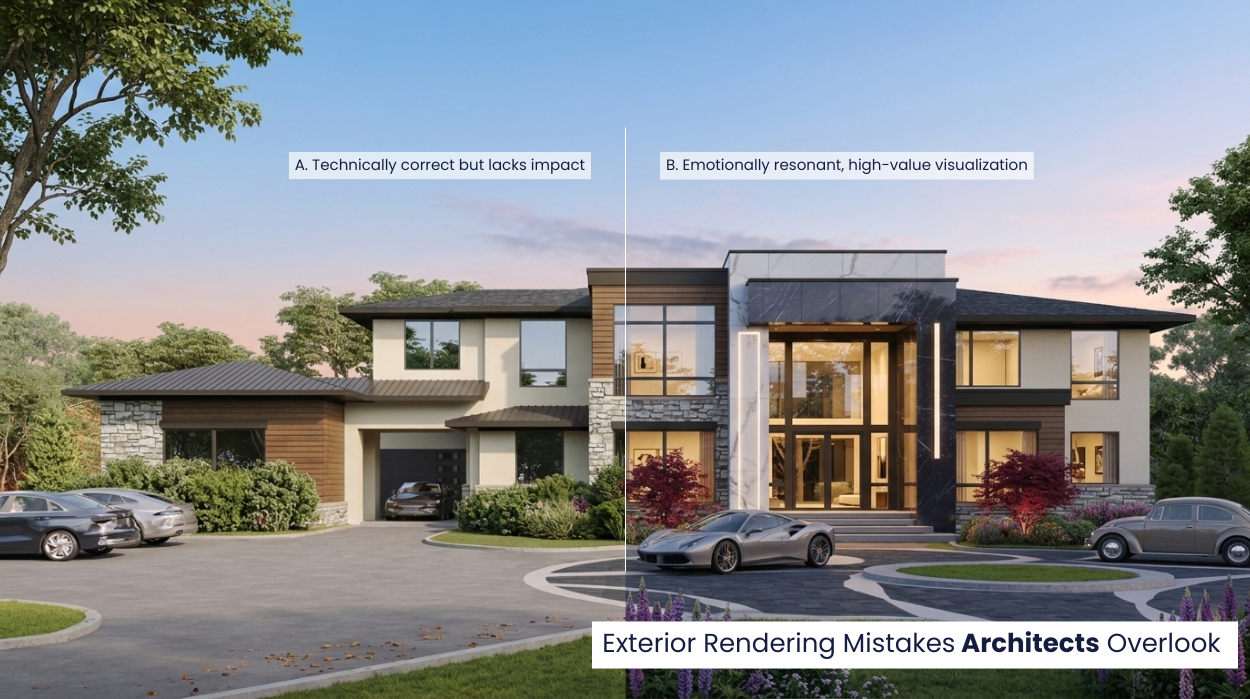
Most architects think a technically accurate render is enough. It isn’t.
Some of the most detailed exterior renderings still fail to impress clients, investors, and stakeholders — even when the architecture itself is strong. Because in visualization, people don’t react to accuracy first.
They react to feeling. And that subtle difference is what separates forgettable renderings from the ones that instantly sell a vision.
Most of the time, the floor plans work.
The elevations are clean.
The materials are technically correct.
And on paper, everything feels fully resolved.
Yet somehow, once the exterior render is presented, the reaction changes. Not dramatically. Quietly. The room becomes uncertain.
Someone says: “It looks good… but something feels off.”
Another asks: “Can we try another angle?”
And suddenly, a project that felt exciting on paper starts losing momentum on screen. This happens far more often in architectural visualization than people admit — and surprisingly, the problem usually isn’t technical quality alone.
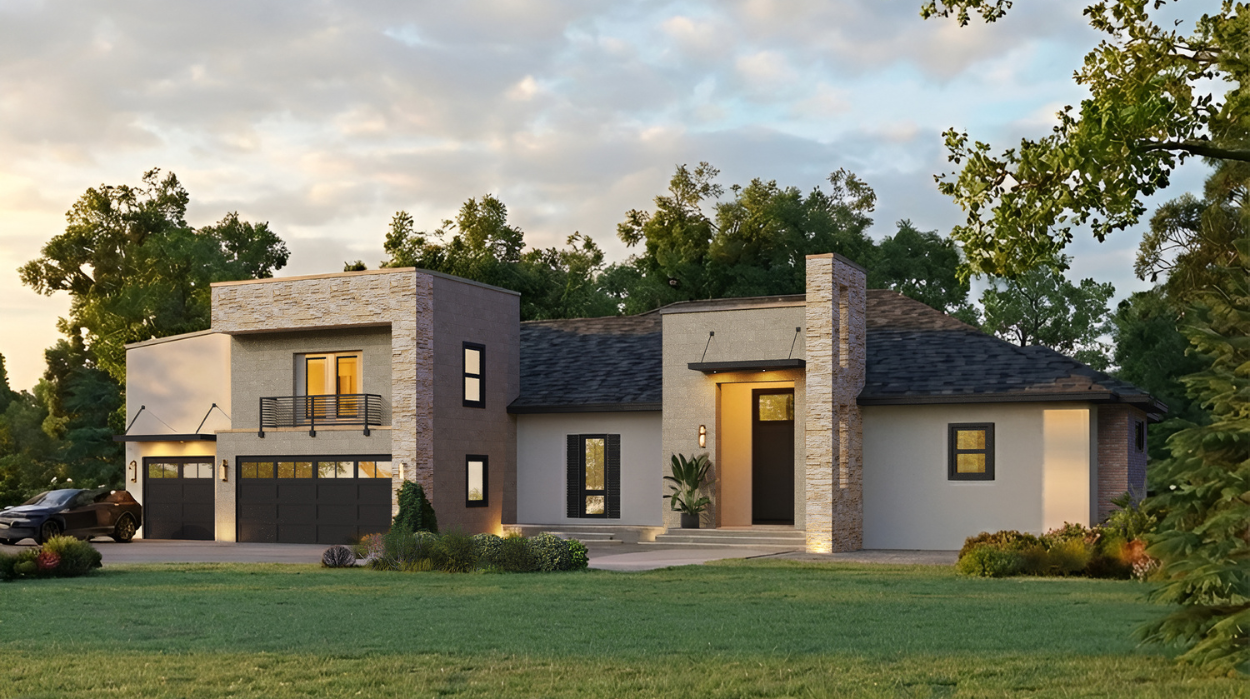
One of the biggest misconceptions in exterior rendering is believing that accurate modeling automatically creates emotional impact. It doesn’t.
A render can have:
Why?
Because exterior visualization is not just about showing a building. It’s about controlling what the viewer feels first.
Strong architectural renderings guide attention naturally. Weak ones force the eye to search for clarity. And the moment viewers start mentally “working” to understand the image, the emotional connection begins to weaken.
Most people assume weak renderings are caused by:
But experienced visualization teams know the issue is often much quieter than that.
The real problem is usually visual hierarchy. When every part of the image competes equally for attention, the render loses direction.
The landscaping feels too dominant.
The lighting becomes overly dramatic.
The reflections pull attention away from the architecture.
The camera angle looks technically correct but emotionally disconnected.
Nothing is necessarily wrong individually.
But together, the image stops communicating clearly.
That subtle confusion is what people describe as: “Something feels off.”
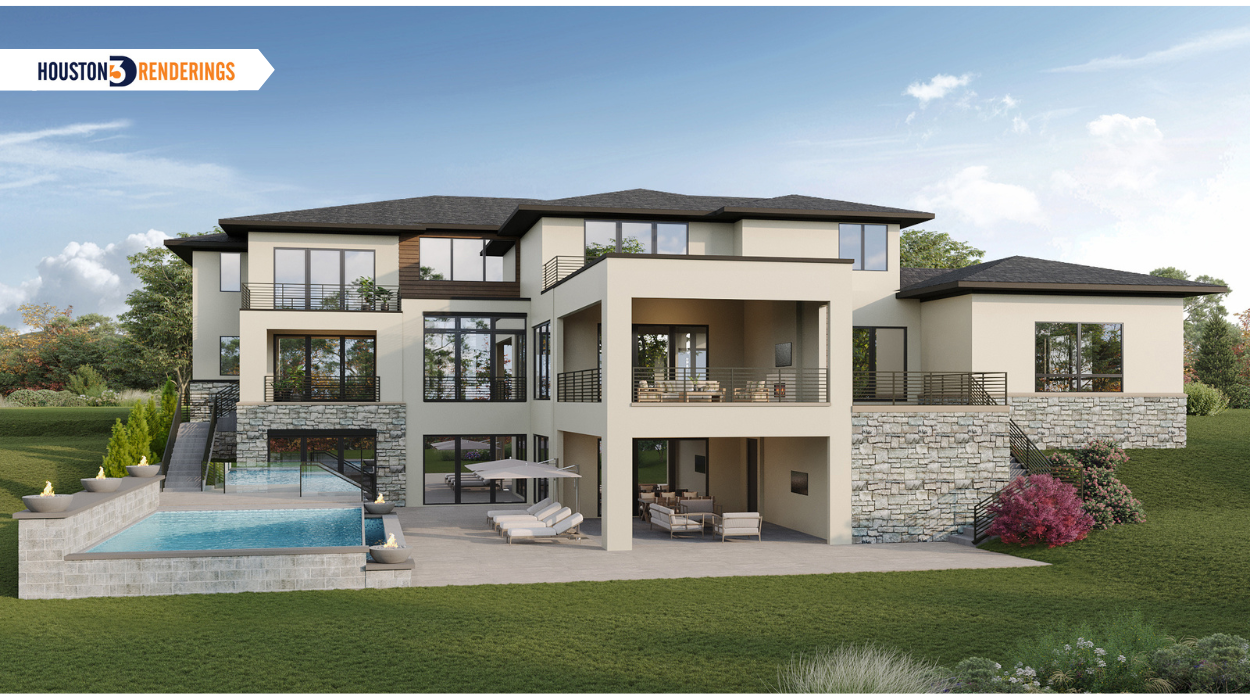
The strongest exterior renders are rarely the busiest ones. They are the clearest.
Within seconds, the viewer should immediately understand:
This is what separates photorealistic rendering from emotionally effective rendering.
A successful exterior visualization creates:
Because the longer someone pauses trying to “understand” a render, the faster the image starts losing impact.

Ironically, the most successful renderings often feel the simplest.
Not because they lack detail — but because every detail is controlled intentionally.
The lighting supports the architecture.
The landscaping frames the structure instead of overpowering it.
The camera angle guides perspective naturally.
And the materials feel balanced instead of visually competing.
That invisible balance is what makes some renderings instantly memorable while others feel technically impressive — but emotionally forgettable.
Exterior renderings are often the first emotional approval a project receives.
Before construction starts, before materials are ordered, before investors commit — the render becomes the visual truth people react to.
That means weak visualization doesn’t just affect presentation.
It affects:
The strongest renderings reduce hesitation because they make the vision feel immediately believable.
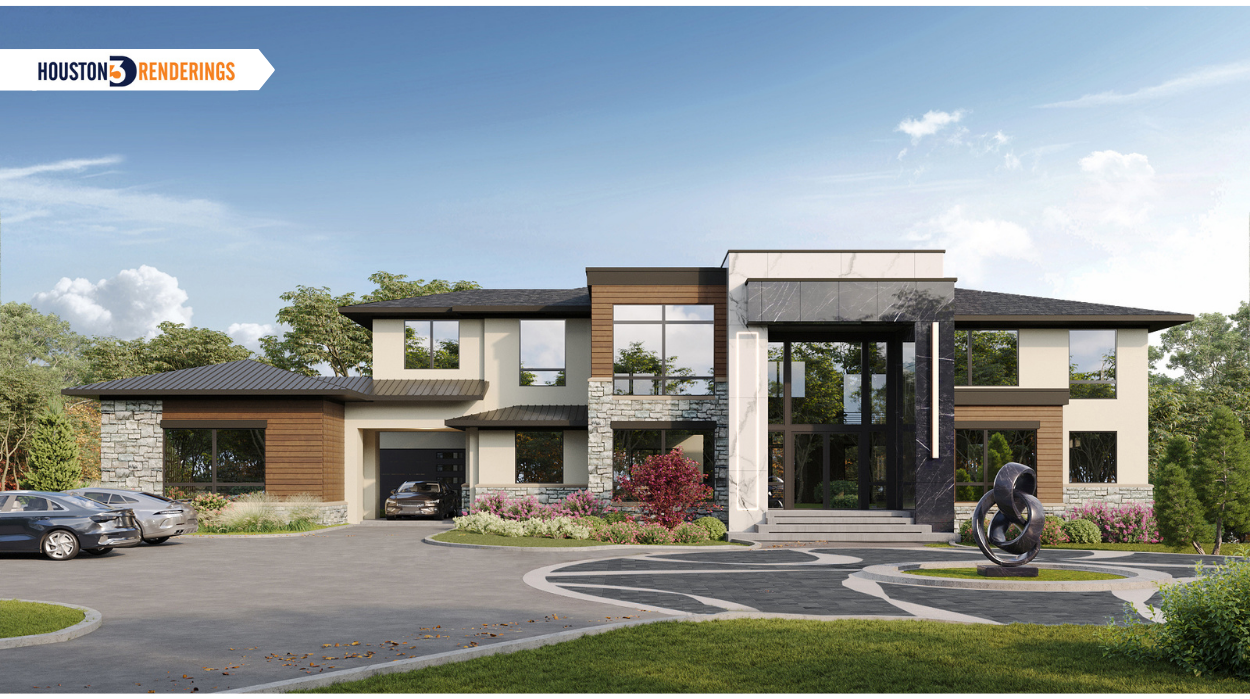
At Houston 3D Renderings, we focus on more than technical accuracy. We create exterior visualizations designed to communicate architecture with clarity, emotion, and immediate visual connection.
Because the best renderings don’t just show a project. They make people believe in it.
Explore more at www.houston3drenderings.com