February 08, 2026
Hospitality isn’t designed to be understood.
It’s designed to be experienced.
So why are so many projects still presented in ways that demand imagination instead of delivering experience? This disconnect is where projects slow down — and where 3D rendering steps in.
A hotel lobby can look breathtaking in a designer’s mind, but on paper, it’s just lines and annotations. For developers, investors, and approval boards, that gap between imagination and understanding is where many hospitality projects stall, get revised endlessly, or lose momentum altogether.
This is where hospitality design 3D rendering changes the game.
By transforming flat 2D plans into photorealistic, immersive visuals, 3D rendering allows hospitality projects including hotels, resorts, restaurants, and mixed-use developments to be seen, felt, and understood long before construction begins. More than a visualization tool, it has become a critical asset for design refinement, faster approvals, investor confidence, and high marketing.
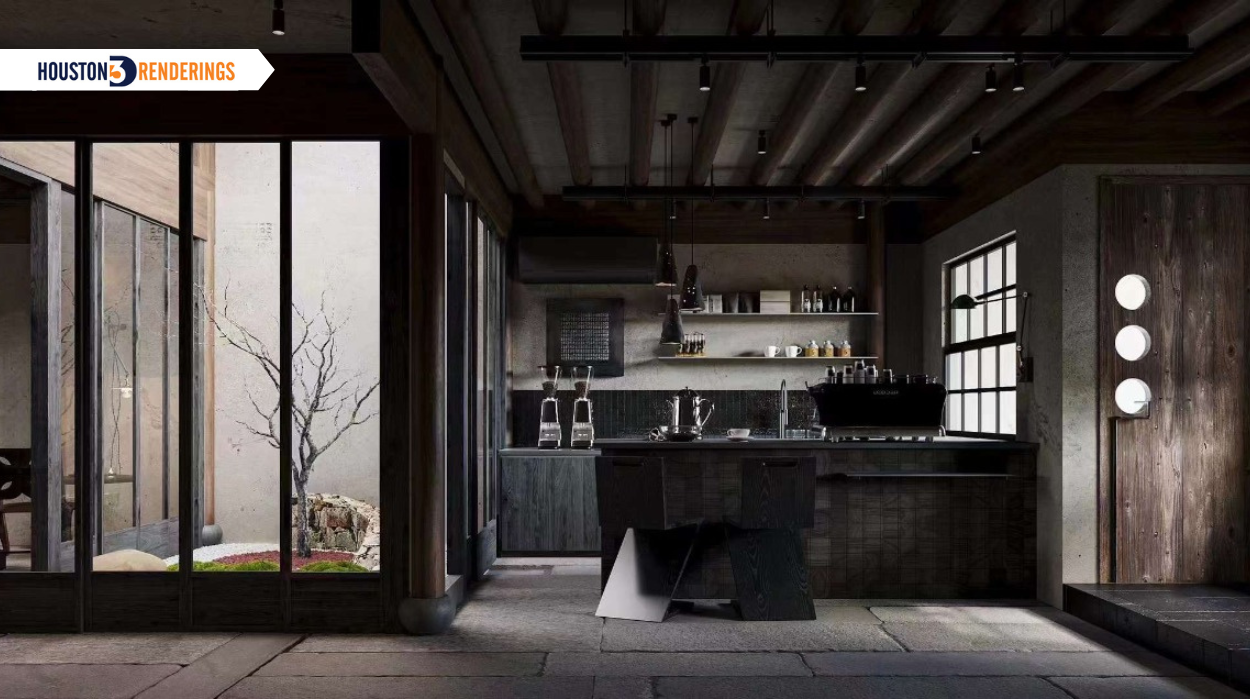
Hospitality 3D rendering converts architectural drawings into realistic digital environments that showcase interiors, exteriors, and guest experiences in vivid detail. These visuals don’t just show how a space looks, they communicate how it feels.
From luxury hotel suites to destination resorts, 3D visualization allows designers and developers to refine concepts, validate decisions, and market projects before a single brick is laid. The result is fewer surprises, fewer revisions, and a clearer path from concept to completion.
Hospitality 3D rendering is built on a combination of interior visuals, exterior perspectives, and immersive walkthroughs that work together to communicate the full design intent. Each component plays a specific role, interiors define atmosphere and guest comfort, exteriors establish architectural identity, and virtual experiences bring the project to life, ensuring designers, developers, and stakeholders clearly understand the vision before construction begins.
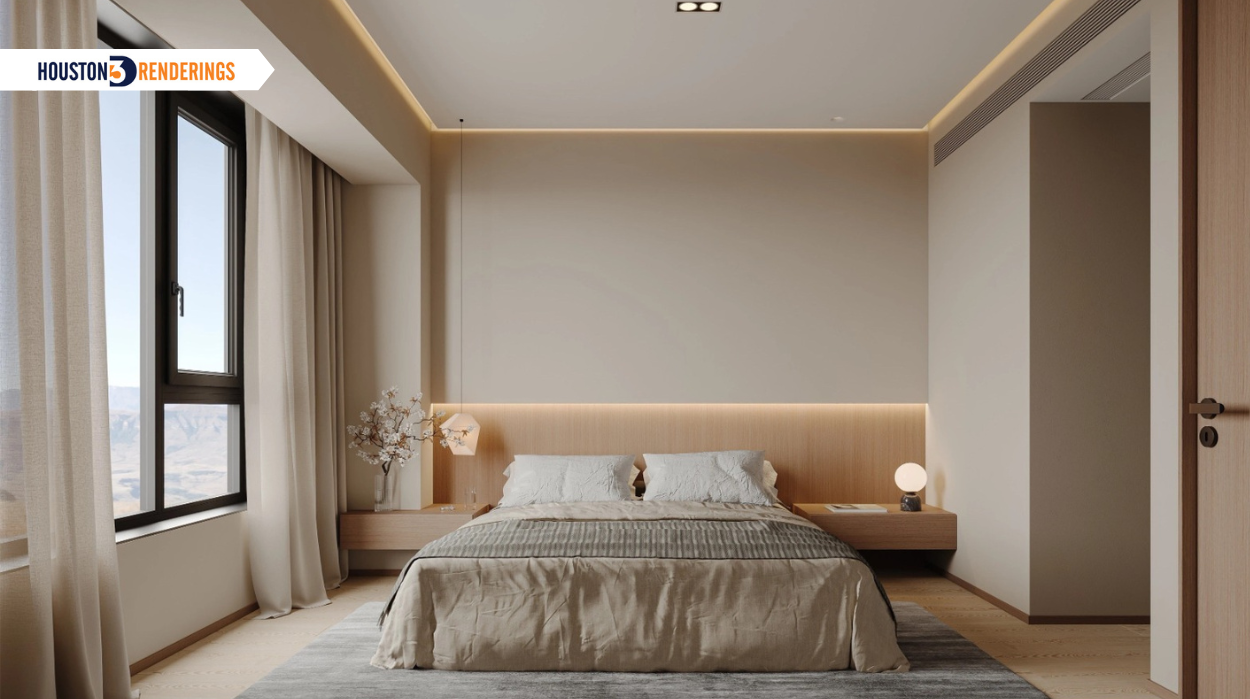
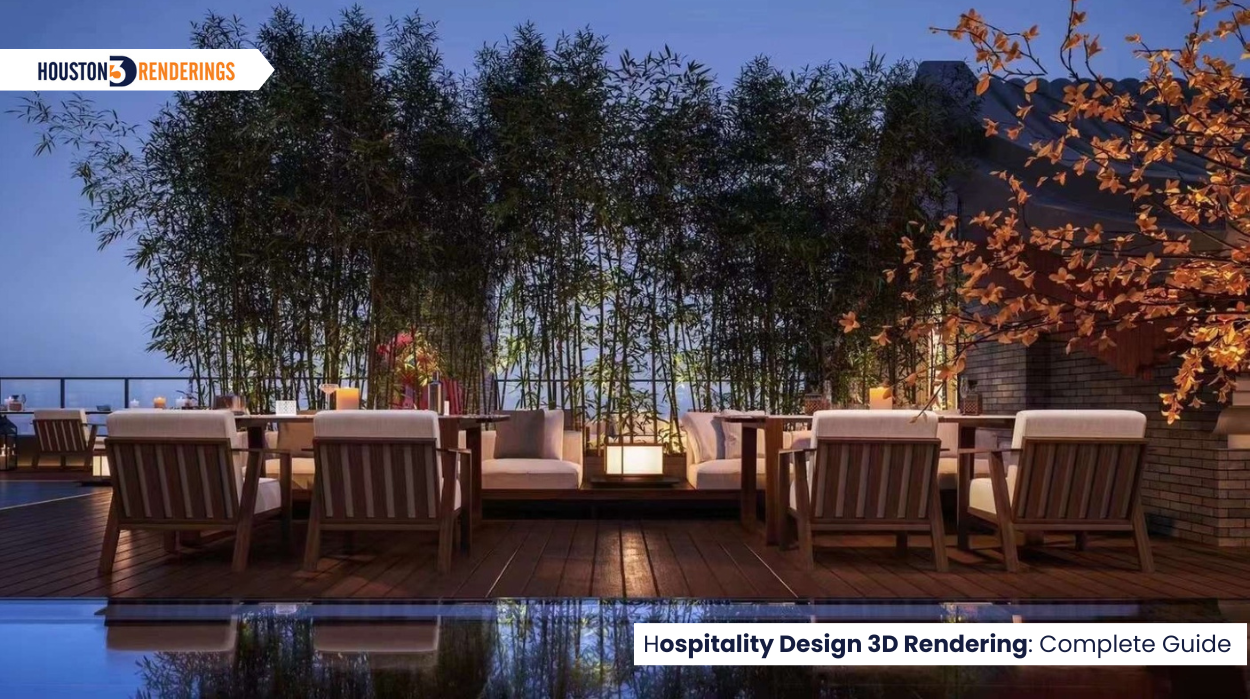
Interior renderings bring hospitality spaces to life by showcasing lighting, furniture, materials, and textures in context. Hotel lobbies, guest rooms, spas, and restaurants can be evaluated not just for aesthetics, but for flow, comfort, and atmosphere.
For designers, this means the freedom to test ideas. For developers, it means seeing exactly what guests will experience, before construction begins.
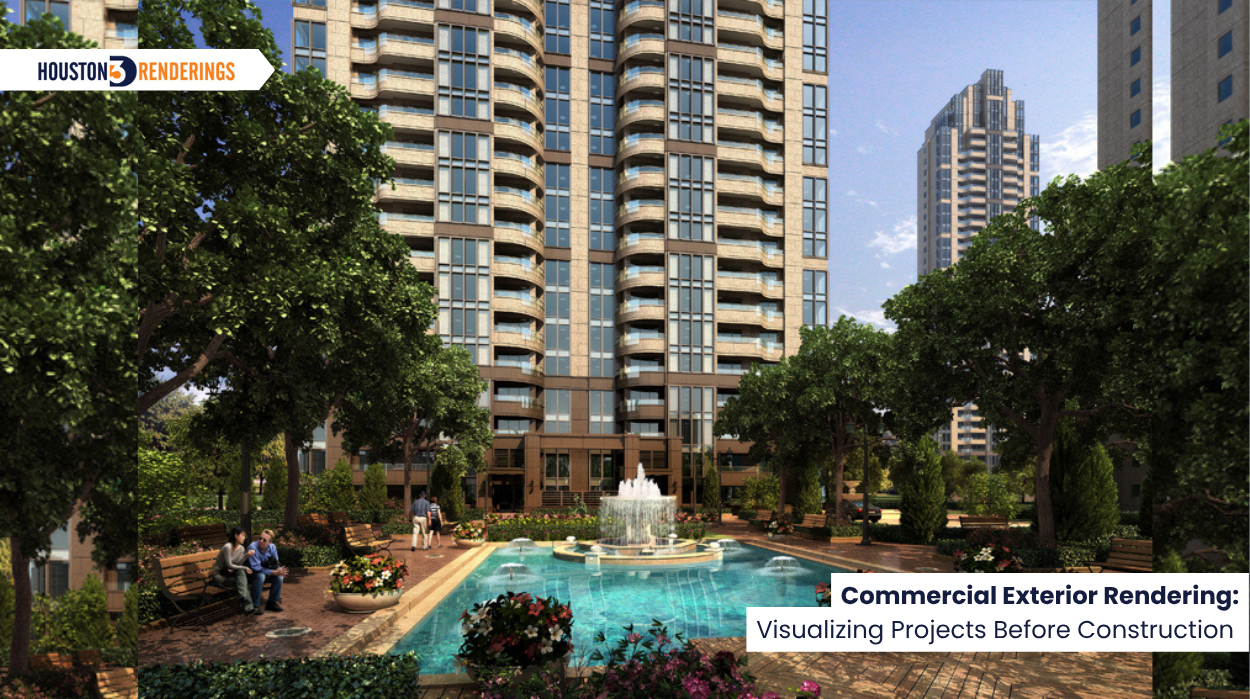
Exterior renderings highlight architectural form, façade treatments, landscaping, and how the building sits within its surroundings. These visuals are essential for zoning approvals, investor presentations, and marketing campaigns, especially for large-scale hospitality developments.
A compelling exterior rendering sets expectations and builds excitement from the very first glance.
Virtual walkthroughs and animated fly-throughs allow stakeholders to move through h a space as if it already exists. This level of immersion is especially powerful for pre-selling rooms, securing funding, and launching marketing efforts well ahead of opening day.
For hospitality projects, experience sells, and nothing communicates experience better than motion and depth.
How Hospitality 3D Rendering Solves Real-World Project Challenges
Hospitality developments require buy-in from multiple stakeholders. 3D rendering accelerates funding and approval processes by clearly demonstrating the project’s value, scale, and revenue potential. When everyone sees the same vision, decisions happen faster and with more confidence.
Design intent can easily be misunderstood through drawings alone. 3D visualization allows architects and designers to experiment with materials, lighting, and layouts early, reducing costly errors and last-minute changes during construction. The result is better design precision and fewer surprises onsite.
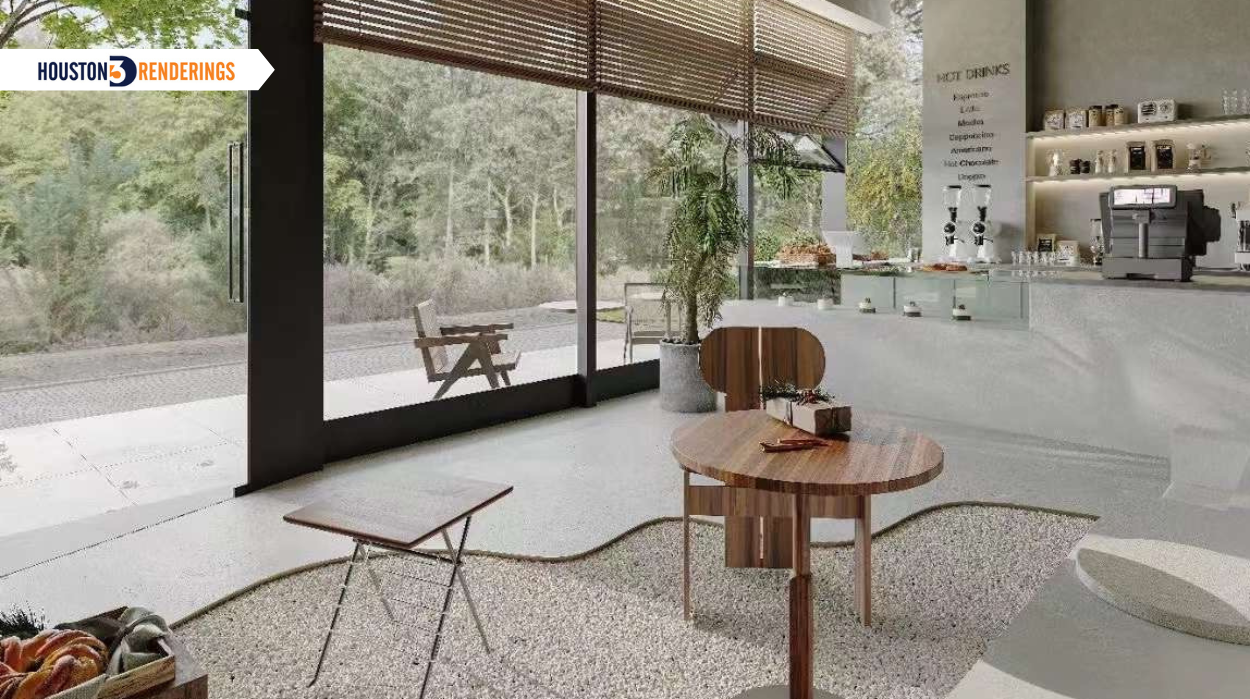
In hospitality, marketing can’t wait until the project is finished. High-quality 3D renderings give marketers the visual assets they need to build anticipation, drive early bookings, and establish brand identity long before opening day. This makes 3D rendering not just a design tool—but a revenue-generating asset.
The process begins with understanding the brand story, target audience, and design intent through mood boards and initial plans.
Structural elements, interiors, and spatial layouts are digitally constructed to scale.
Realistic materials, finishes, and lighting are applied to define mood, atmosphere, and realism.
High-resolution stills, animations, and panoramic views are produced and refined for presentations and marketing. Each stage ensures the final visuals align with both creative vision and business goals.
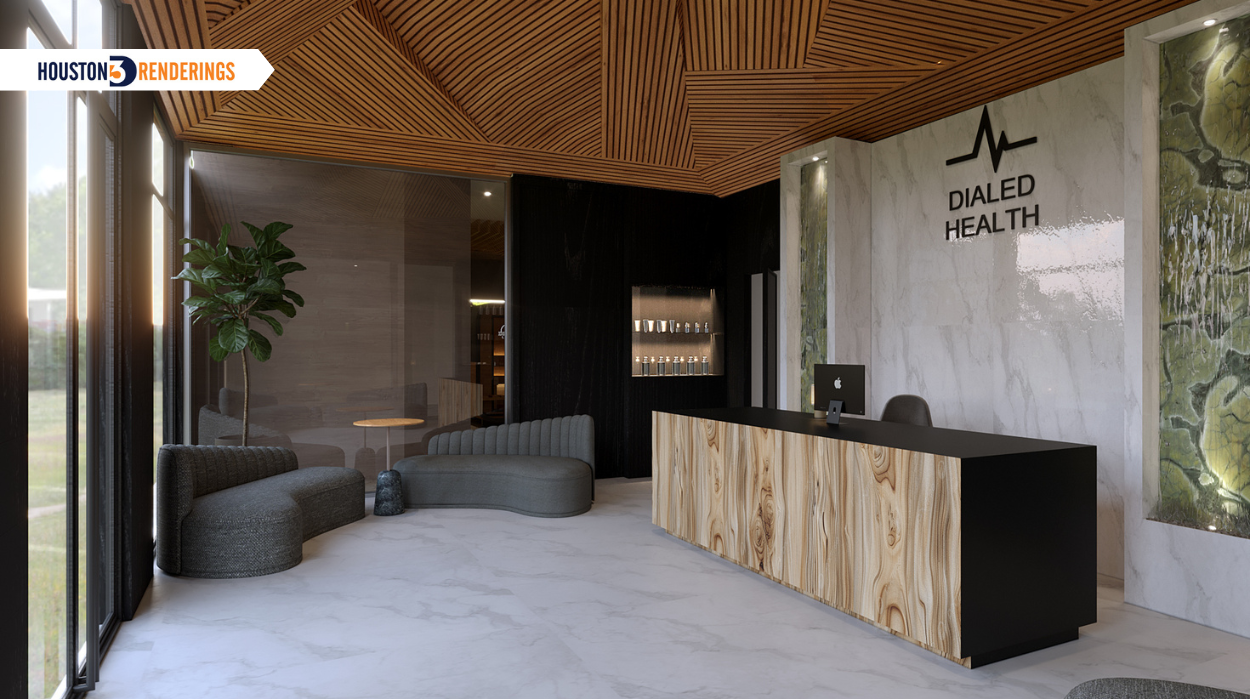
Modern hospitality renderings focus on emotional storytelling. Cinematic lighting, lifestyle staging, and realistic environmental context are now essential to conveying luxury, relaxation, and comfort.
Sustainability is also playing a growing role. Green building elements and eco-friendly design features are increasingly integrated into 3D hotel renderings, helping attract environmentally conscious investors and guests while supporting long-term brand values.
Hospitality design is no longer just about creating spaces, it’s about selling experiences. 3D rendering bridges the gap between concept and confidence, helping designers communicate clearly, developers move faster, and marketers create demand before opening day.
In an industry where perception drives decisions, hospitality design 3D rendering has become a strategic necessity—not a luxury.
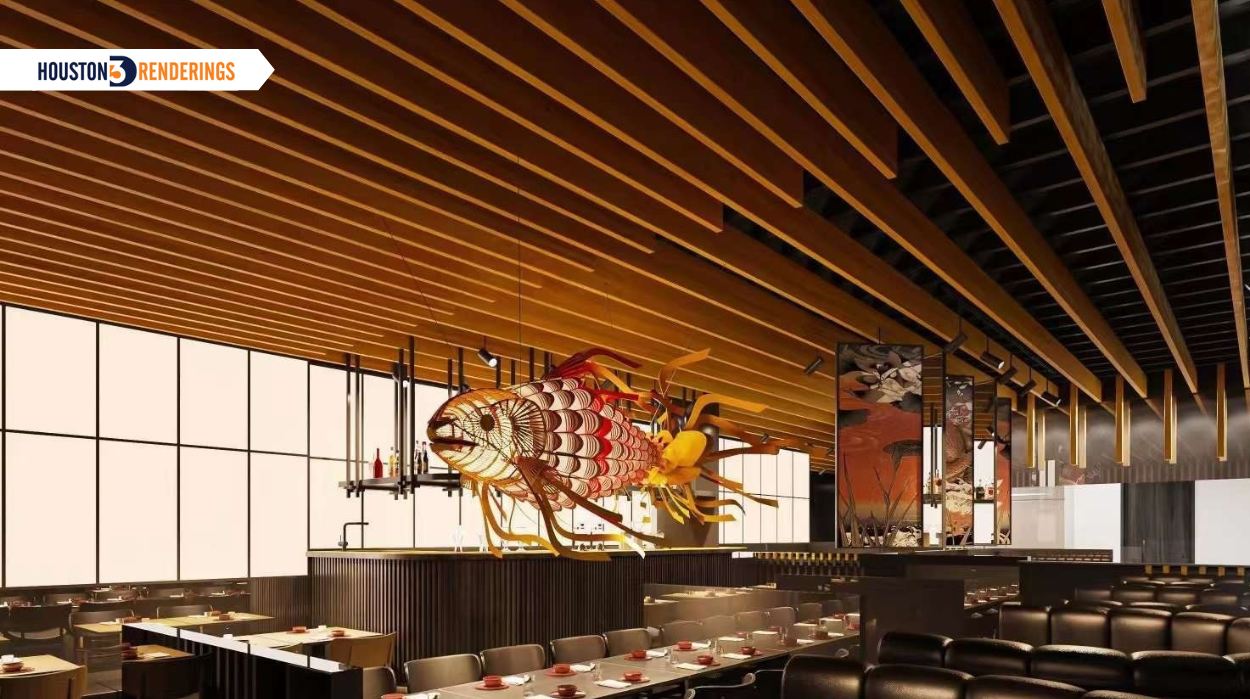
Planning a hotel, resort, or restaurant project? Houston 3D Renderings delivers photorealistic hospitality visuals that help you refine designs, secure approvals, and market with confidence—before construction even begins. Turn your hospitality visualization into real decisions at www.houston3drenderings.com