March 09, 2026
Here’s a truth most home-builders won’t tell you: 70% of clients back out or delay decisions because they can’t “see” their future home clearly. You can have the perfect layout, premium materials, and flawless blueprints—but if the client can’t visualize it, the deal stalls, revisions pile up, and timelines blow out.

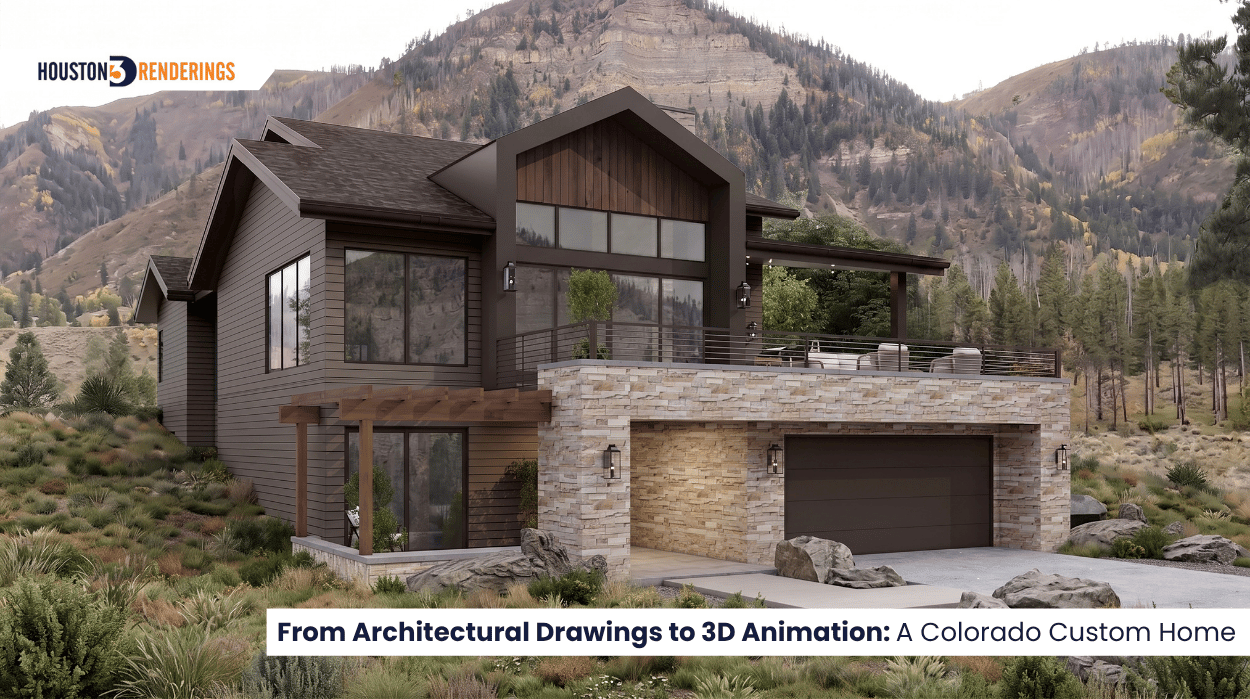
Exterior renderings give clients a complete view of the home, including materials, colors, landscaping, and how the building sits in its environment.
Why it matters: Many homeowners struggle to see how walls, roofs, and outdoor spaces work together. A well-made exterior rendering reduces misinterpretation and boosts confidence in your design.
Key details:
Example: In a recent Houston restaurant renovation, exterior renderings highlighted an inviting outdoor green area, giving investors and clients a tangible sense of how the building would function and feel.
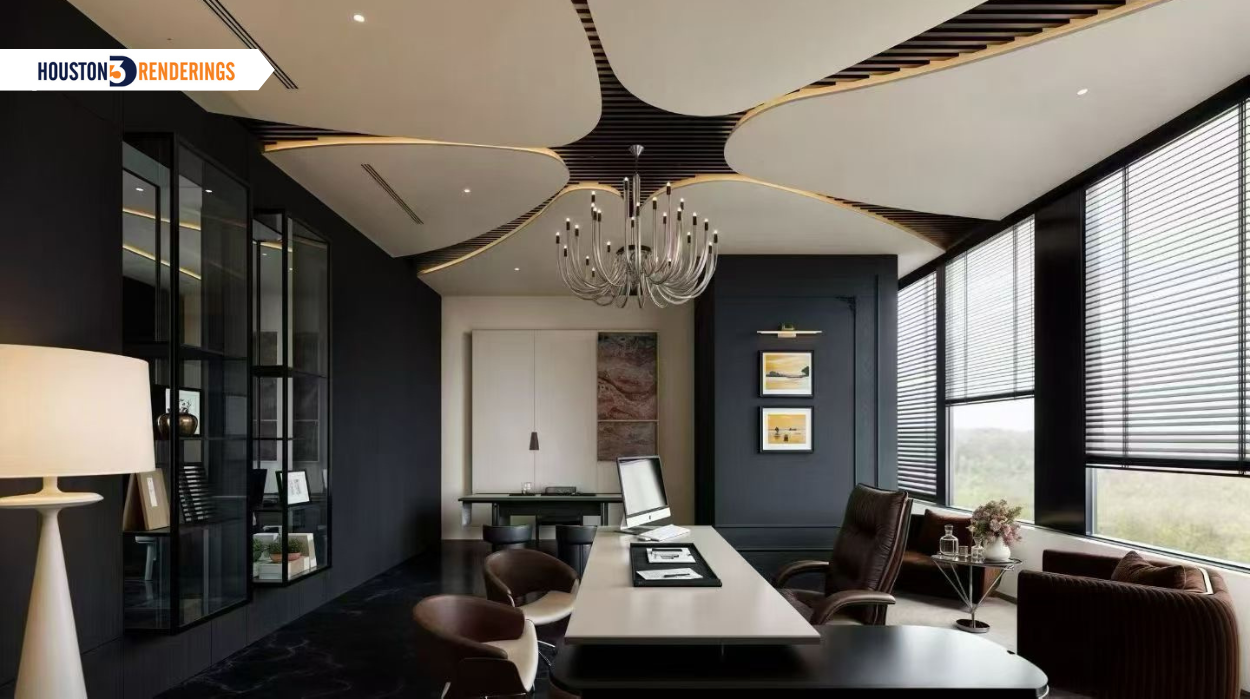
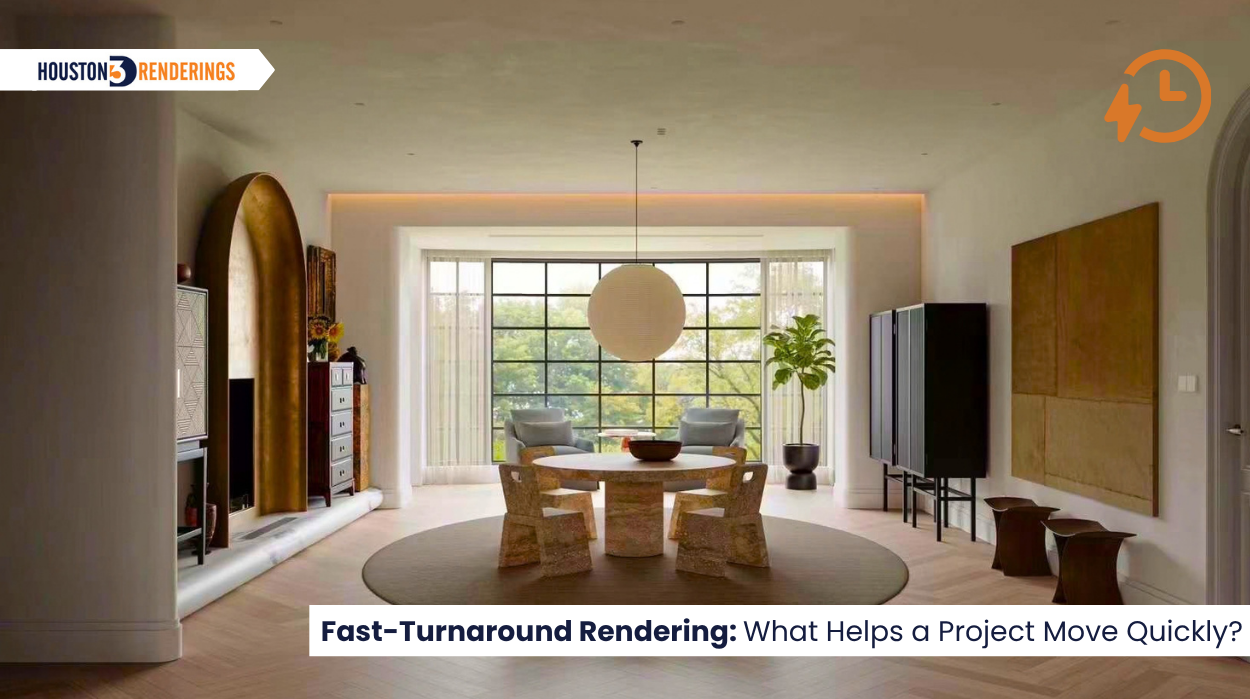
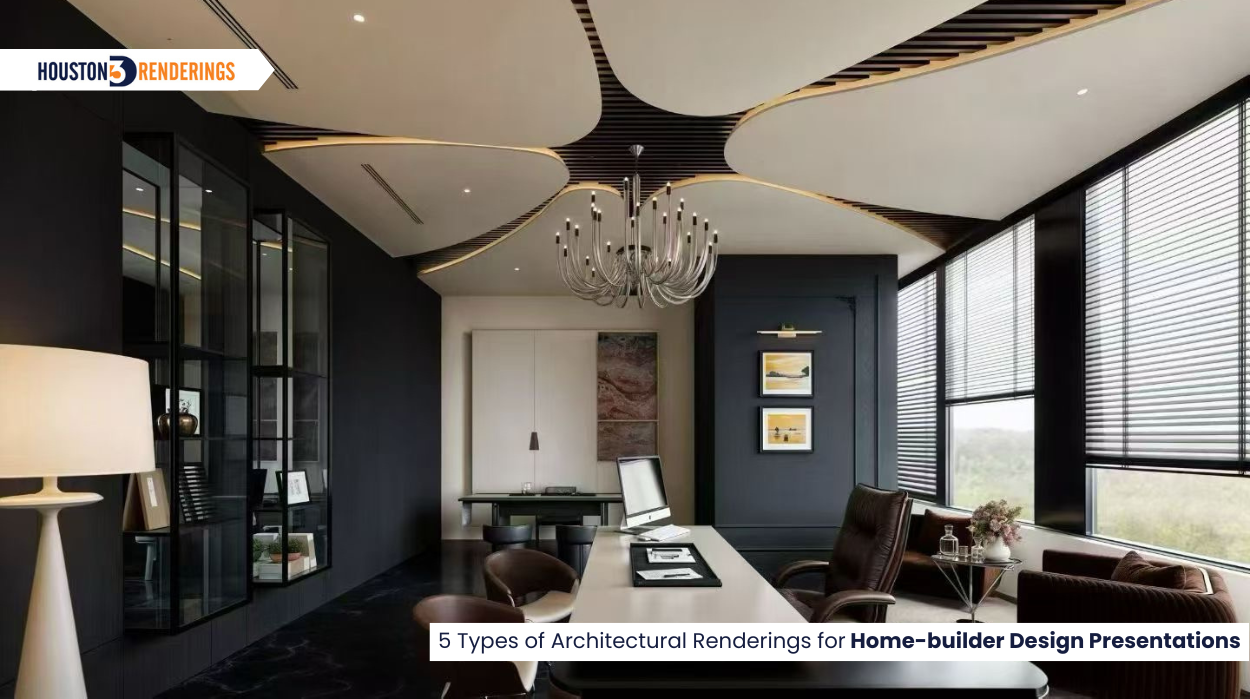
Interior renderings bring rooms to life. They show layouts, furniture placement, finishes, and lighting, allowing clients to experience spaces before construction even begins.
Why it matters: Clients often misjudge space from floor plans alone. Interior renderings eliminate guesswork, helping them understand flow, usability, and mood.
Key details:
Example: For a luxury home office project, interior renderings allow clients to “walk through” rooms and feel the energy and elegance, making final design approvals faster and more confident.
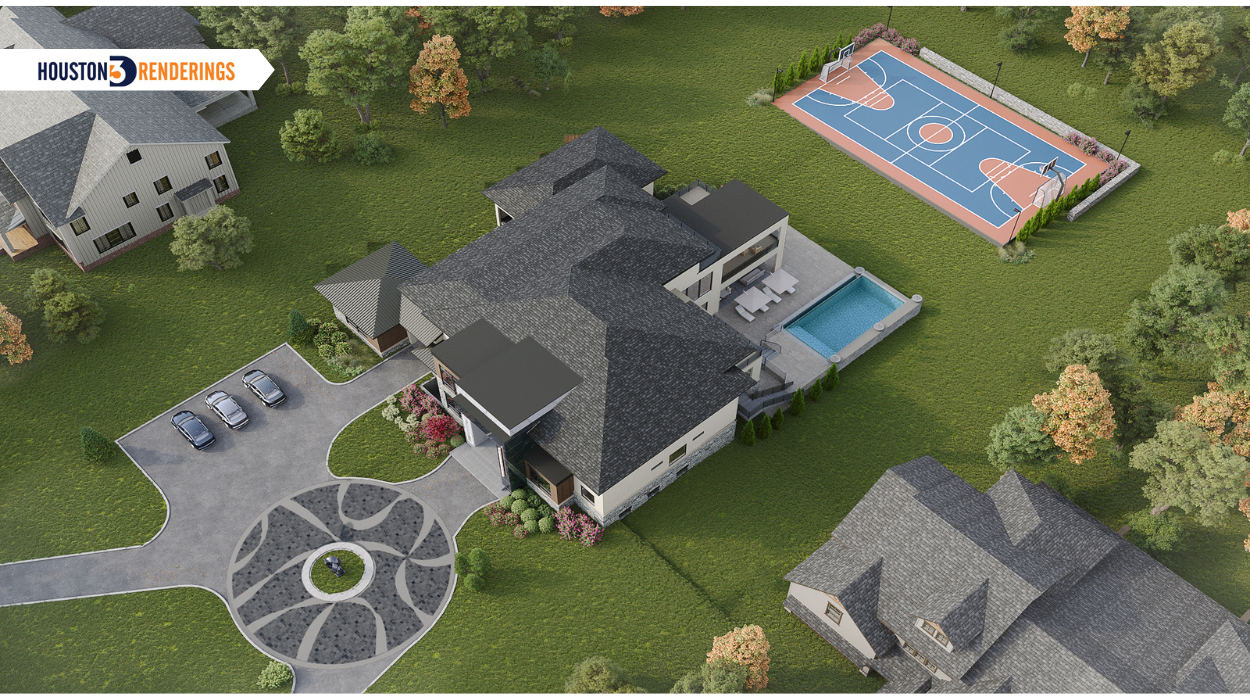
Aerial renderings provide a top-down perspective, showing the property in relation to its surroundings. They are invaluable for developers and planners who need to understand scale, site layout, and integration with the environment.
Why it matters: Seeing the property from above reveals opportunities and constraints that aren’t obvious from street-level views.
Key details:
Example: A residential development in a dense urban area used aerial renderings to show the paved roads, green spaces, and circulation paths—helping city planners and investors approve the project quickly.
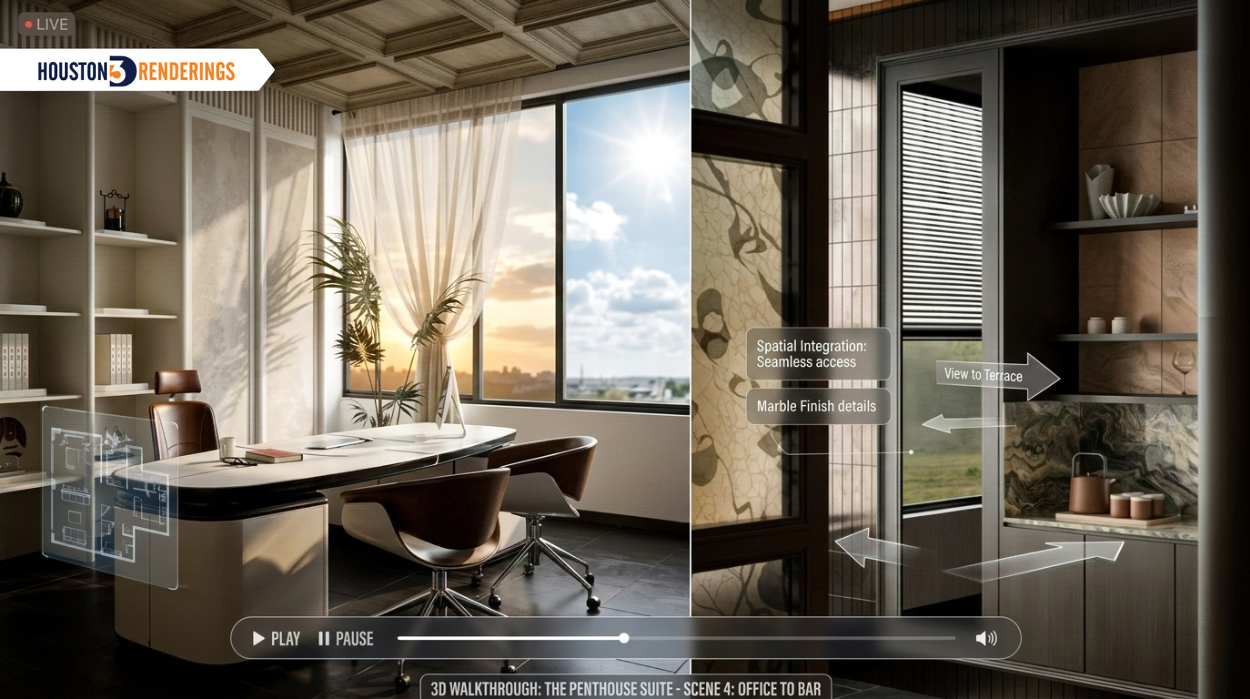
Static images are powerful, but motion adds clarity and emotion. 3D animation transforms a design into a cinematic journey, letting clients experience their home in real time.
Why it matters: Buyers and investors make faster, more confident decisions when they can explore a property virtually. It’s like being inside the home before it exists.
Key details:
Example: A modern commercial office project used animated walkthroughs for pre-sales. Prospective buyers felt the experience of the property and booked before the first material was laid down.
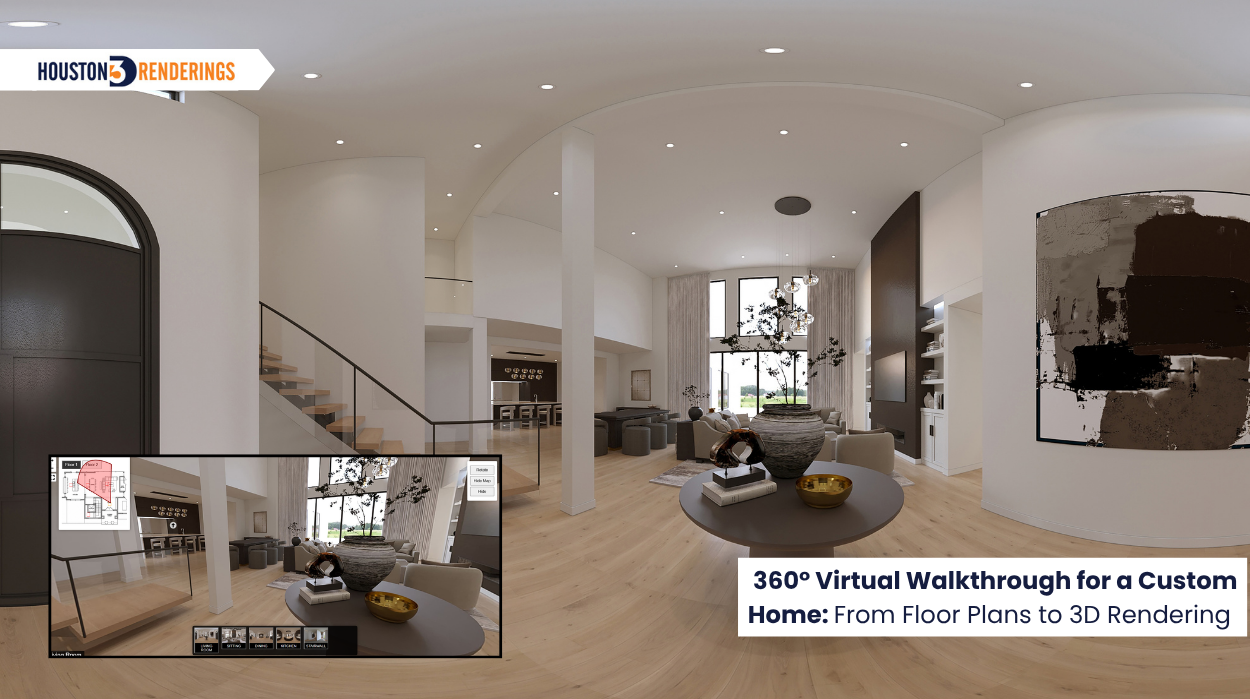
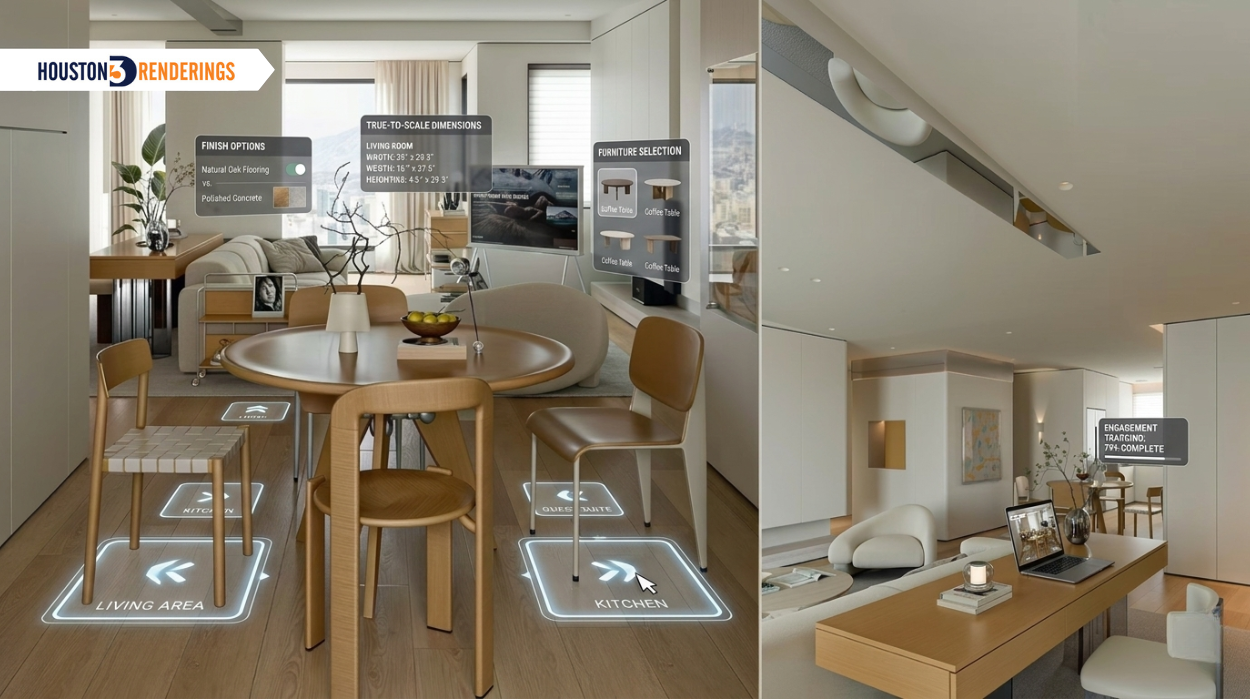
Digital tours take virtual exploration further, letting clients click, move, and navigate the home themselves. These interactive experiences give users complete control, making every decision more informed.
Why it matters: Not everyone can visit a property physically. Digital tours allow buyers and stakeholders to experience space remotely while maintaining confidence in their choices.
Key details:
Example: For remote investors in a vacation property, digital tours showcase multiple floors and amenities, allowing them to approve layouts and finishes without travel delays.
Architectural renderings aren’t just visuals—they’re tools for trust, clarity, and speed. They transform complex designs into understandable, relatable, and actionable experiences.
The reality is simple: clients today expect to see, not just imagine. A single well-crafted rendering can save weeks of back-and-forth and prevent costly construction errors.
At Houston 3D Renderings, we help architects and homebuilders turn plans into vivid, convincing experiences. Whether you need exterior, interior, aerial, animated, or interactive tours, our visualizations make every decision easier, faster, and more confident.
See the difference for yourself, visit: www.houston3drenderings.com