June 09, 2026
A client sits in a design meeting reviewing a café interior.
The floor plan is approved. Materials are selected. The layout checks all the technical boxes. On paper, everything feels complete.
But then the questions begin.
The answers are in the drawings. But not in a way the client can feel.
That gap is where most design decisions quietly slow down. Then the 3D render appears on screen. And the room changes.
Suddenly, the café is no longer lines on a page. Warm lighting spills across the tables. People move naturally through space. Materials don’t just exist—they interact. The design stops being theoretical and becomes something the client can almost walk into.
At that moment, everything became easier to understand. This is where architectural 3D rendering does something floor plans alone cannot; it closes the gap between understanding a design and experiencing it.
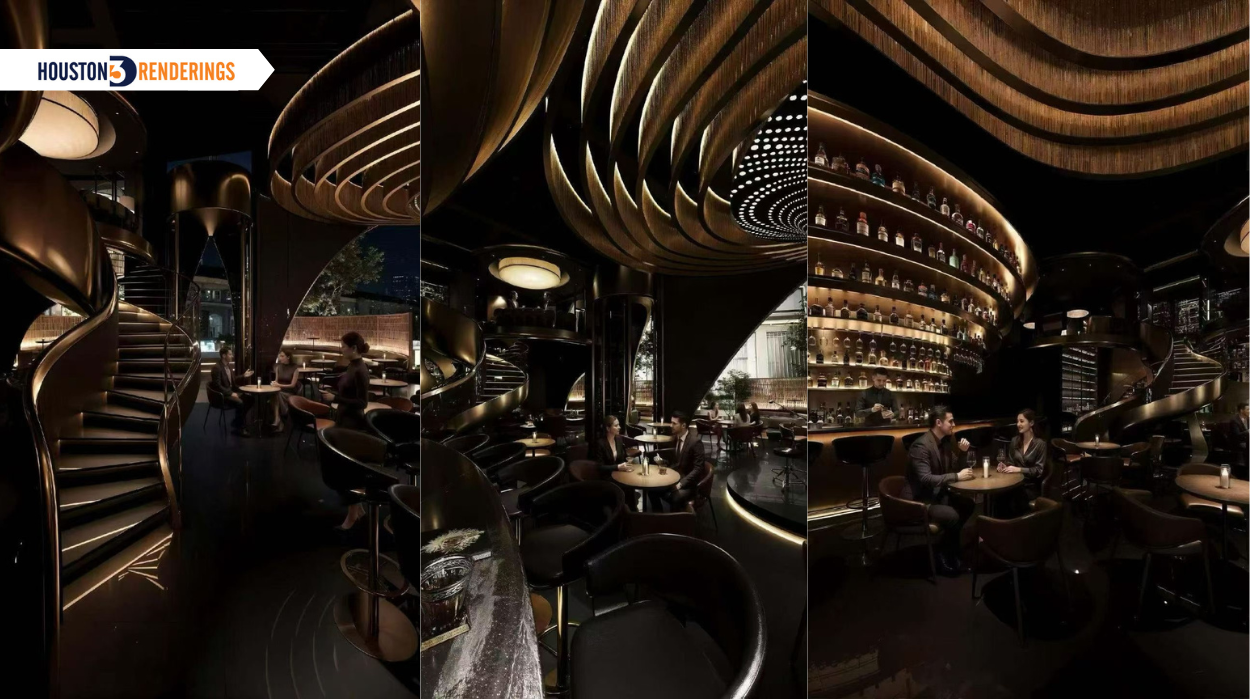
One of the biggest misconceptions in architecture is assuming that a client sees what the designer sees.
A floor plan communicates structure clearly:
But it doesn’t answer the question clients are actually asking:
“What will it feel like to be here?”
That’s why even when everything is technically correct, uncertainty still appears during review. A client might understand the layout but still does not trust the feeling of the space.
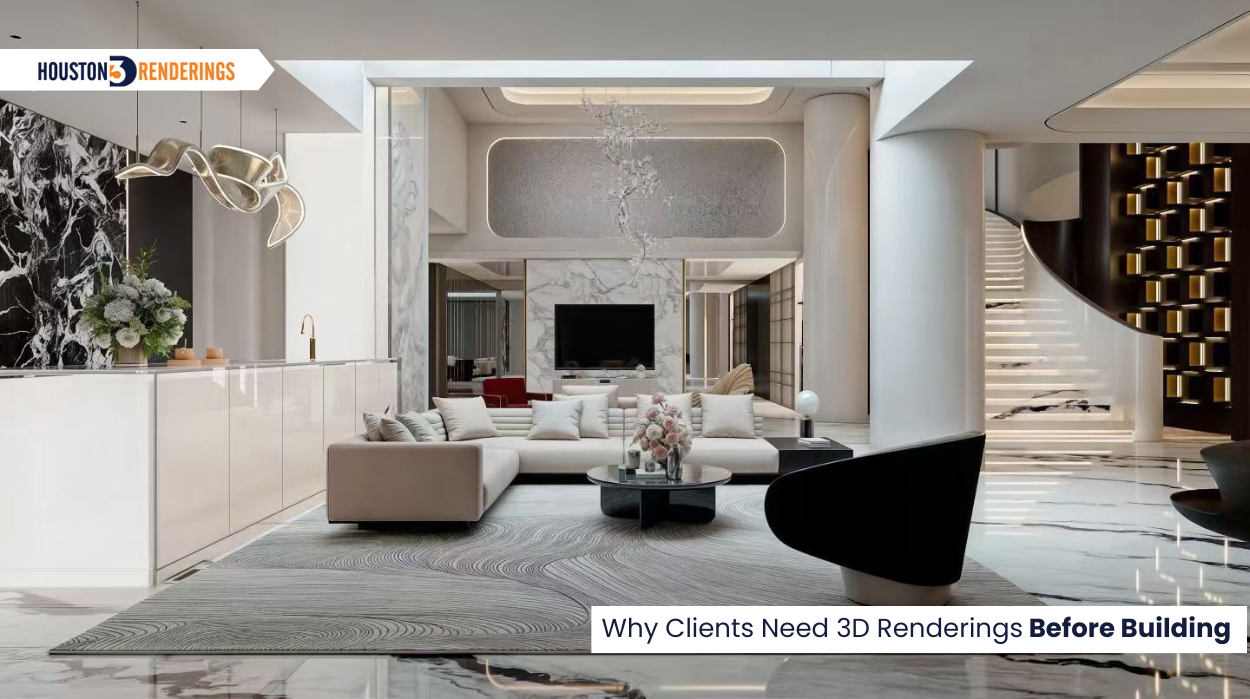
A 3D render removes that uncertainty by translating technical information into visual reality. It doesn’t just explain the space—it shows it in context.
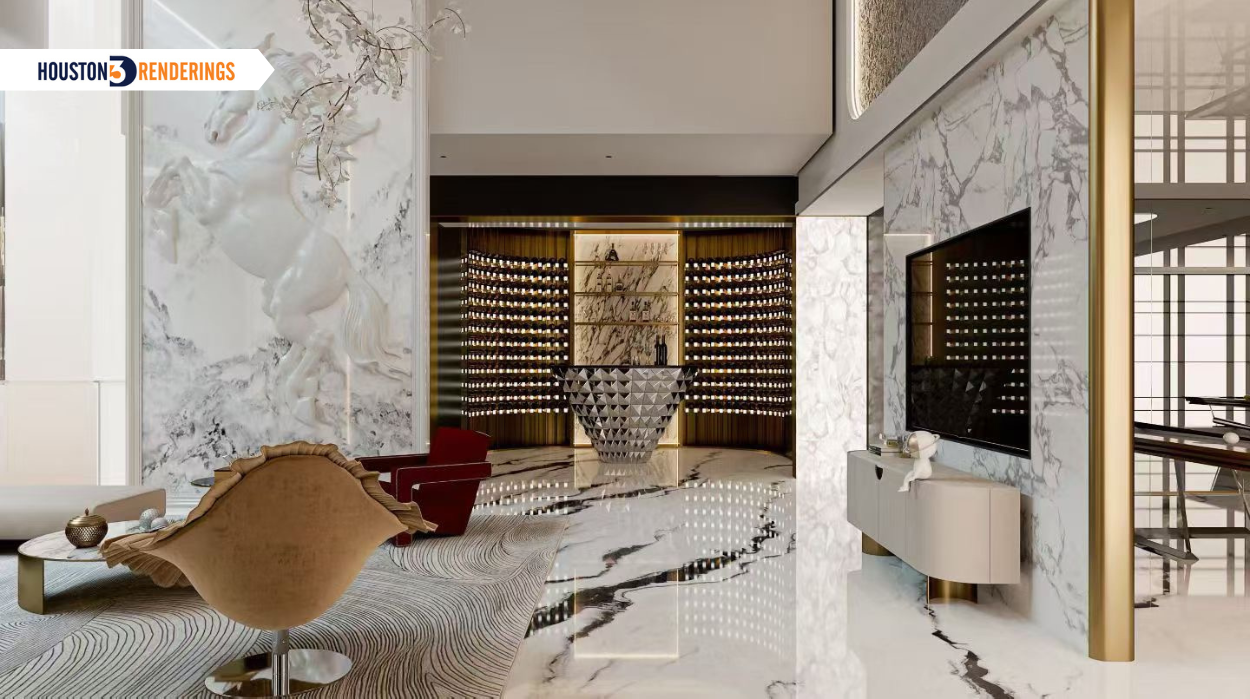
Clients rarely care about drawings in isolation. They care about the outcomes.
They are not approving walls and furniture. They are approving an experience.
These are hard to judge from 2D drawings alone.
A photorealistic render allows clients to step into the design before it exists. It gives them something immediate to react to, instead of something they have to imagine. And that changes the entire decision-making process.
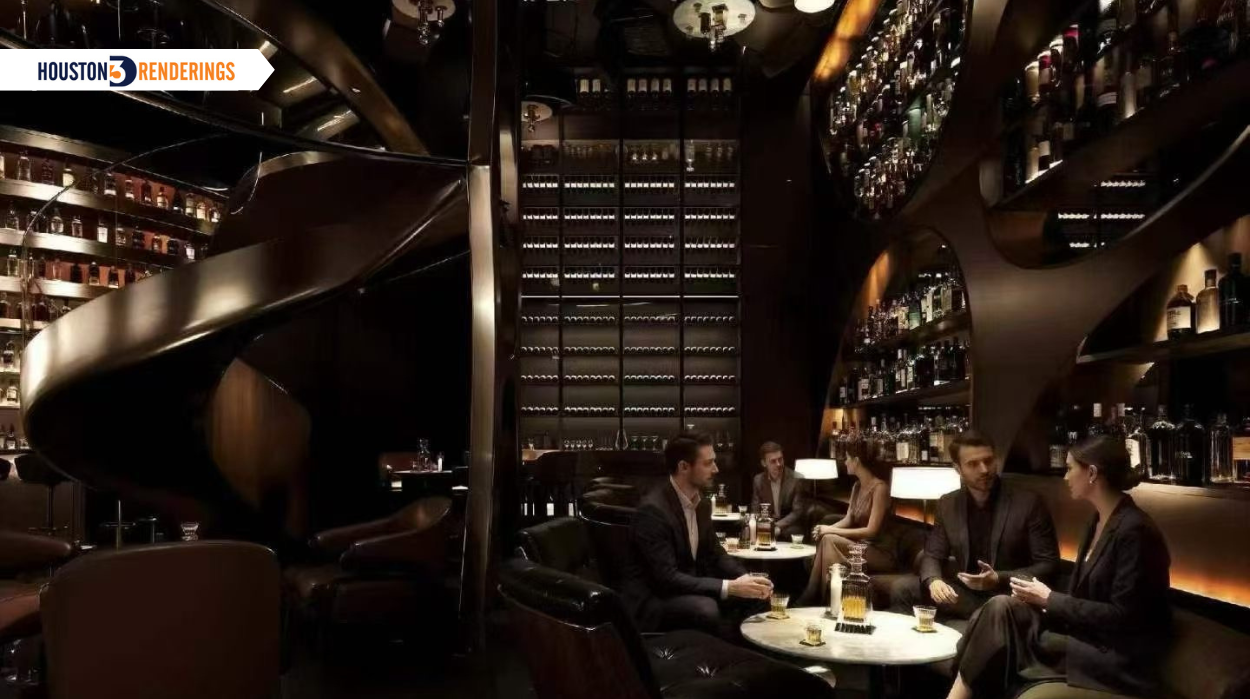
Most hesitation in design doesn’t come from disagreement. It comes from uncertainty.
Clients often like individual elements:
But they struggle to see how everything works together.
A render brings everything into one unified view. Instead of asking, “What if this doesn’t work?” Clients start asking: “How quickly can we build this?” That shift is subtle—but critical. It turns hesitation into direction.
Construction issues rarely come from bad design.
They come from misalignment of expectation.
When clients only see drawings, they build an image in their mind that may not match reality. Even small differences later feel bigger on site than they actually are.
3D rendering reduces that gap early.
When everyone sees the same visual outcome before construction begins:
Small design adjustments are always easier in the visualization stage than during construction. That alone can save time, cost, and frustration
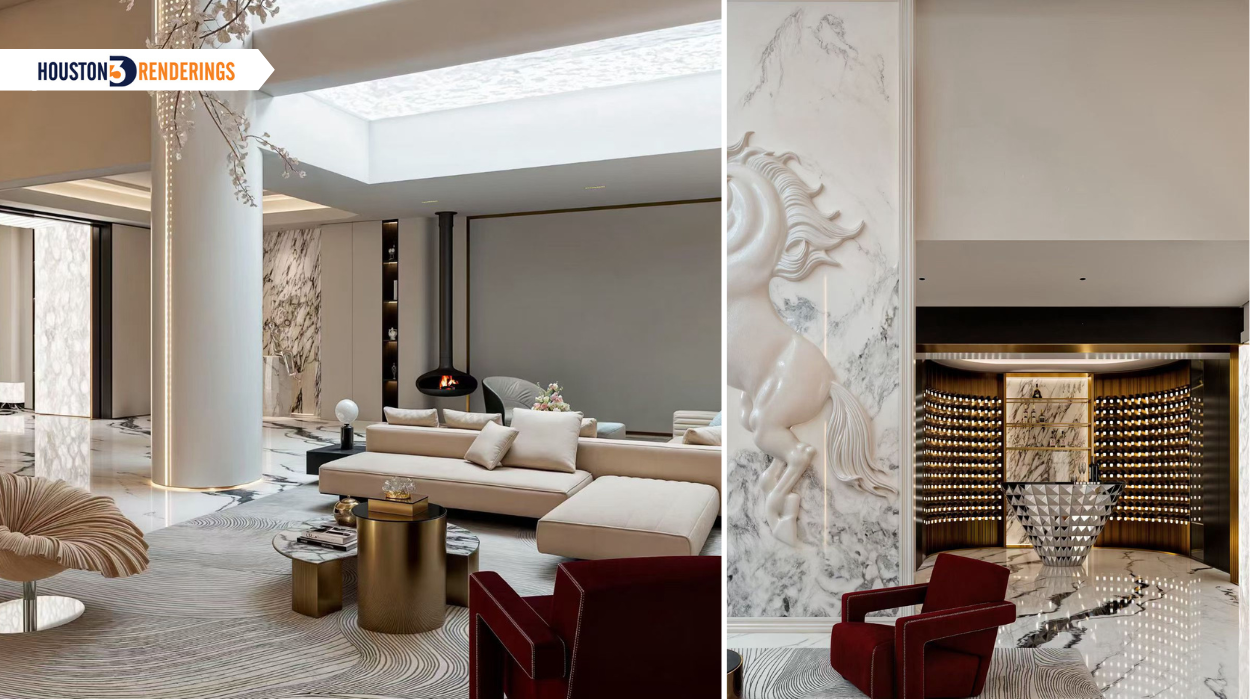
The strongest projects don’t start with construction. They start with clarity.
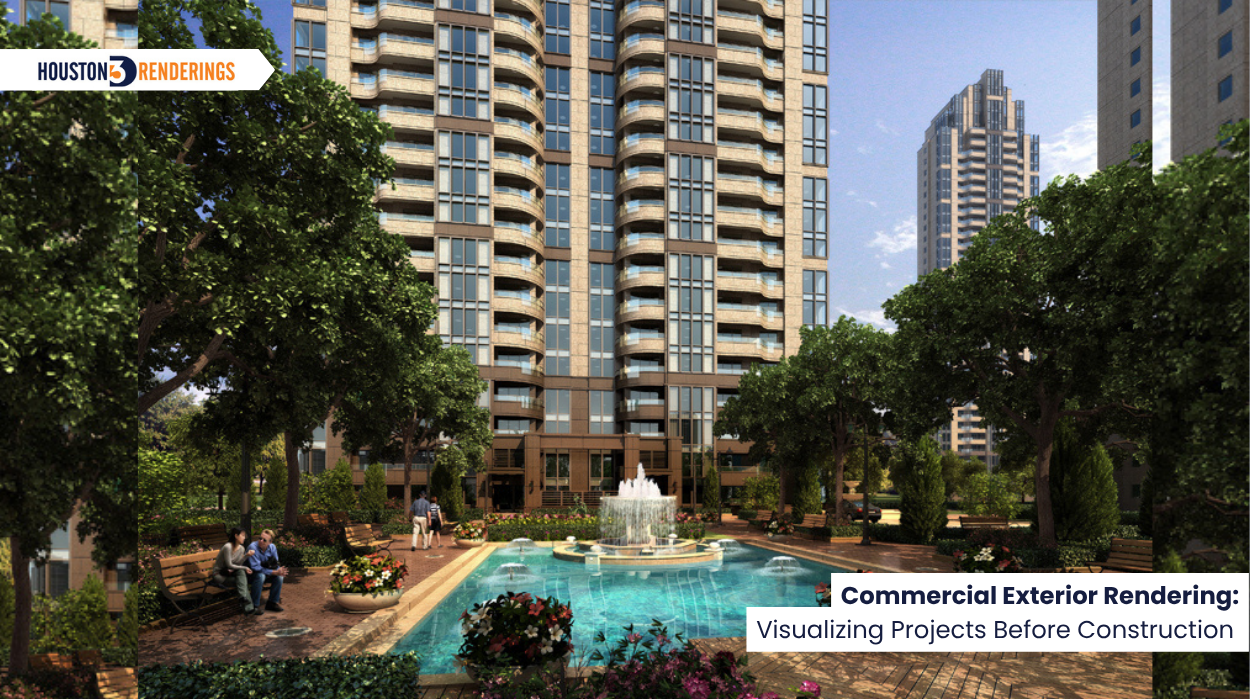
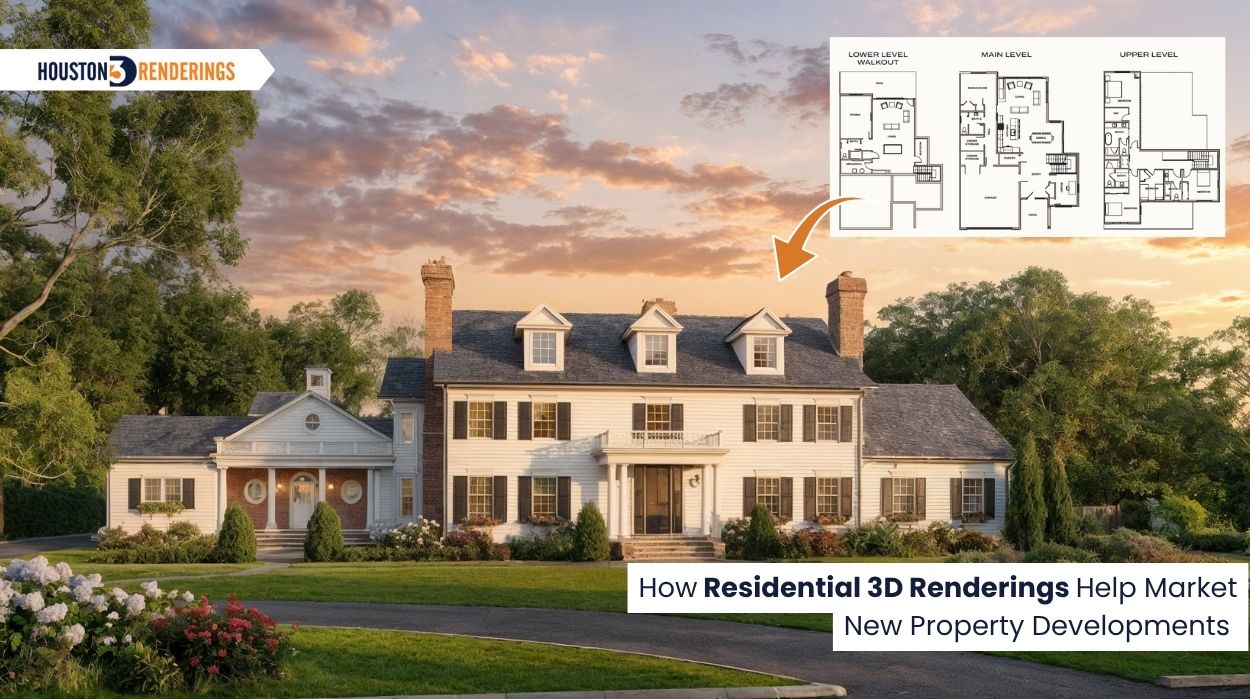
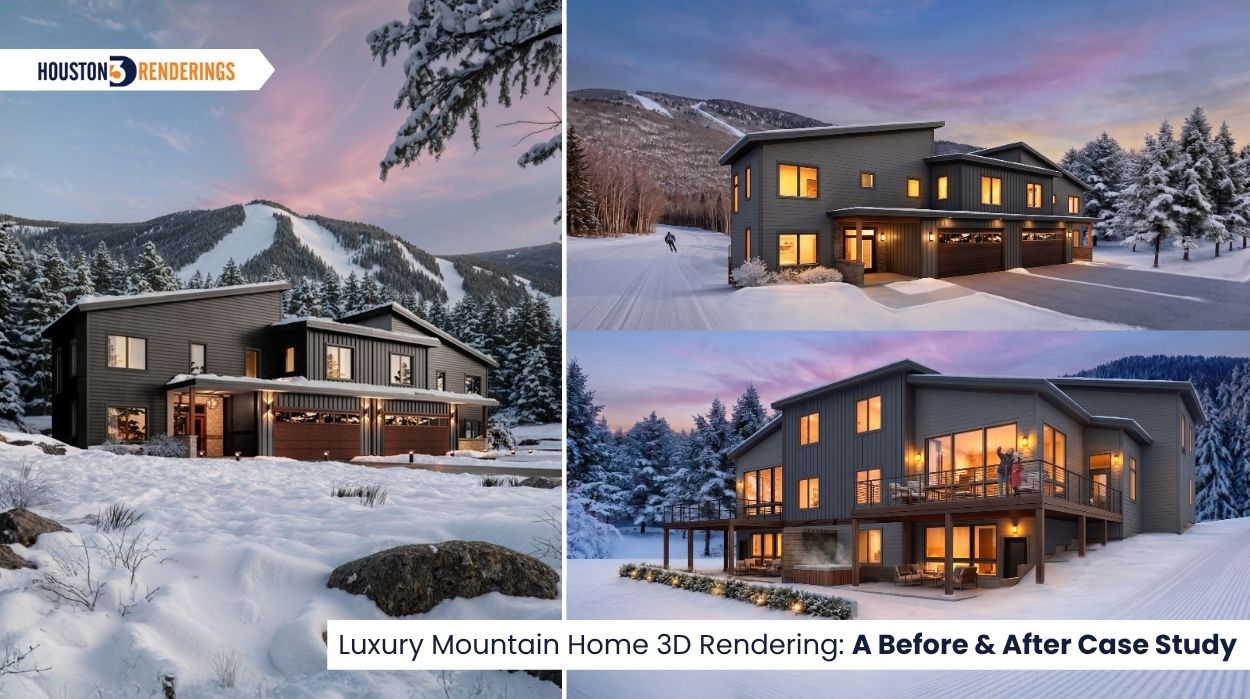
Whether it’s a café, office, retail space, or residential project—the goal is the same: help people understand what doesn’t exist yet. 3D renderings make that possible by turning abstract drawings into something visually real, emotionally readable, and easier to trust.
At Houston 3D Renderings, the focus is simple, help clients see the outcome before a single decision turns expensive.
Because once the vision is clear, everything that follows becomes faster, smoother, and more confident.